
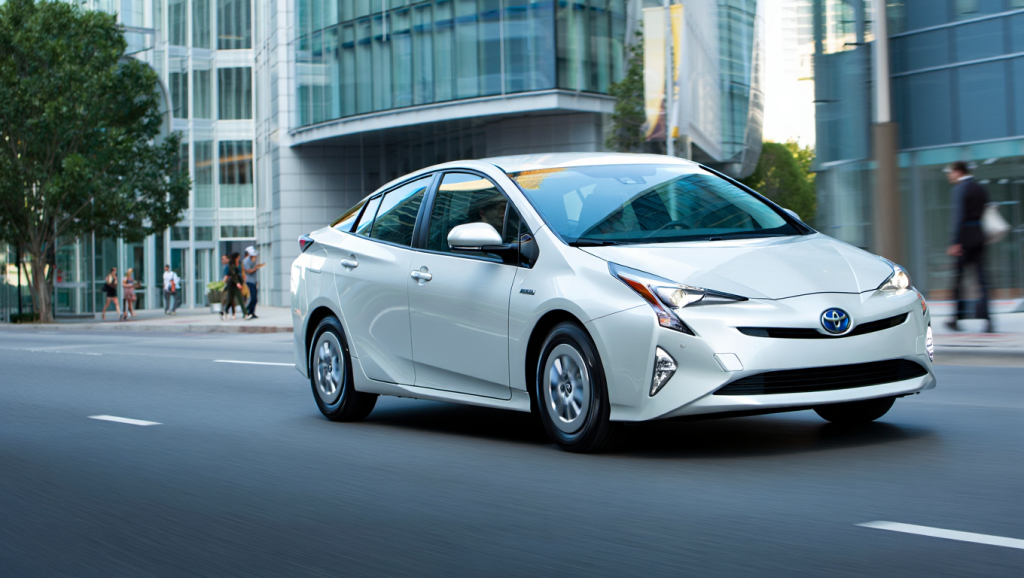
Toyota vehicles are known for reliability, longevity, and comfort, but even the most dependable cars can benefit from a few carefully chosen accessories. The right add-ons can improve safety, protect your investment, and make everyday driving more enjoyable.
Whether you drive a compact Corolla, a rugged RAV4, or a family-friendly Highlander, investing in accessories tailored to your Toyota can enhance its performance and convenience. In this guide, we’ll explore the top seven must-have accessories, highlighting their benefits, cost-saving tips, OEM vs. aftermarket considerations, and practical advice for installation and use.
All-Weather Floor Mats
One of the simplest ways to protect your Toyota’s interior is with all-weather floor mats. These mats prevent dirt, mud, and spills from damaging your carpet, making them a must-have for every Toyota owner.
Benefits
- Easy Cleaning: Mats can be removed, hosed down, and dried, saving hours of interior cleaning.
- Preserves Resale Value: A clean interior maintains the car’s resale appeal, keeping carpets looking new.
- Durable Protection: All-weather mats handle snow, rain, mud, and spilled drinks better than fabric mats.
OEM vs. Aftermarket Options
- OEM Mats: Perfect fit, designed specifically for your Toyota model. Typically made from durable, high-quality rubber or thermoplastic.
- Aftermarket Mats: Some offer extra features like deeper grooves or anti-slip backing. High-quality aftermarket mats can provide better water retention but may not perfectly match interior contours.
Example: A RAV4 owner in a snowy region noticed that without all-weather mats, salt and snow melted inside the carpet, causing stains and odors. Installing OEM all-weather mats preserved the carpet and made cleaning effortless.
Roof Racks and Cargo Carriers
For Toyota owners who enjoy outdoor adventures or need extra storage, roof racks and cargo carriers are invaluable. They expand your vehicle’s cargo capacity without cluttering the interior.
Types and Benefits
- Roof Boxes: Ideal for luggage, camping gear, and bulky items. Keep items dry and secure.
- Bike or Kayak Racks: Perfect for outdoor enthusiasts transporting bicycles, kayaks, or skis.
- Enhanced Utility: Increases cargo capacity while keeping passenger space comfortable.
Installation Tips
- Verify your Toyota’s weight limits to avoid overloading.
- Choose accessories compatible with your specific model (e.g., RAV4 vs. Corolla).
- OEM racks ensure perfect fit, while aftermarket options may require additional adjustments.
Example: A Highlander owner installed a roof box for a family camping trip. With the interior free of luggage, everyone had more space, and gear stayed dry and secure, even in heavy rain.
Pro Tip: Always secure cargo properly to prevent shifting during travel, which could damage the roof or pose a safety risk.
Backup Cameras and Sensors
Even with Toyota’s reliable engineering, parking and maneuvering in tight spaces can be stressful. Backup cameras and parking sensors add an extra layer of safety and confidence.
Benefits
- Increased Visibility: Provides a clear view behind the vehicle, reducing blind spots.
- Obstacle Detection: Alerts you to pedestrians, pets, or low objects.
- Prevents Minor Collisions: Helps avoid fender-benders, saving repair costs.
OEM vs. Aftermarket
- OEM Systems: Integrated seamlessly with Toyota’s infotainment screen and sensors. Provides accurate calibration and warranty coverage.
- Aftermarket Systems: Ideal for older Toyotas lacking factory cameras. High-quality options include night vision or motion detection but may require professional installation.
Example: A Tacoma owner upgraded with an aftermarket camera. During a tight parking maneuver, the camera and sensors prevented minor damage when a low curb was hidden from view.
Pro Tip: If installing aftermarket systems, ensure the camera’s angle and sensor calibration match your Toyota’s specifications to prevent false alerts.
Seat Covers and Upholstery Protection
Protecting your seats from wear, spills, pets, or daily use is crucial. Seat covers and upholstery protectors maintain interior quality and resale value.
Benefits
- Easy Cleaning: Remove pet hair, dirt, and spills without damaging original upholstery.
- Preserves Resale Value: Keeping factory seats in good condition ensures higher resale or trade-in value.
- Variety of Materials: Options include leather, neoprene, or fabric, each offering different protection levels and aesthetics.
Fit and Quality
- OEM Covers: Designed for perfect fit and material consistency. Maintains the factory look and function, including airbag deployment compatibility.
- High-Quality Aftermarket Covers: Offer water resistance, custom designs, and extra padding. Ensure compatibility with side airbags and seat sensors.
Example: A Corolla owner with two dogs installed neoprene seat covers. The covers resisted scratches, were easy to clean, and kept the original seats in near-perfect condition after two years of daily use.
Pro Tip: Always choose covers that don’t interfere with seatbelt buckles, airbags, or electronic controls.
Smartphone Mounts and Chargers
Staying connected safely while driving is essential. Smartphone mounts and charging accessories provide hands-free navigation, easy access, and constant device power.
Benefits
- Hands-Free Navigation: Reduces distractions and improves safety.
- Convenient Charging: Keeps your device charged during commutes or long trips.
- Secure Placement: Prevents devices from sliding or falling, which could cause accidents.
Types
- Dashboard or Vent Mounts: Simple and adjustable, fit most Toyota models.
- Magnetic Mounts: Quick attachment and removal.
- Wireless Charging Mounts: Ideal for newer Toyota models with Qi-enabled phones.
Example: A Prius owner with a magnetic mount and wireless charger kept their phone accessible for GPS without fumbling while driving. This reduced distractions and made navigation easier during daily commutes.
Pro Tip: Avoid mounting directly on the windshield in a way that blocks vision. Position mounts within reach but out of the driver’s line of sight.
- Tire Pressure Monitoring and Maintenance Tools
Proper tire maintenance is critical for safety, fuel efficiency, and long-term tire life. Even modern Toyotas with built-in TPMS (Tire Pressure Monitoring Systems) benefit from supplemental monitoring tools.
Essential Accessories
- Digital Tire Pressure Gauges: Provide accurate readings, allowing you to maintain optimal PSI.
- Portable Air Compressors: Useful for topping up tires during long trips or emergencies.
- Tire Repair Kits: Quick fixes for minor punctures, saving time and towing costs.
Benefits
- Prevents Blowouts: Maintaining correct tire pressure reduces the risk of sudden tire failure.
- Improves Fuel Efficiency: Properly inflated tires lower rolling resistance, saving fuel.
- Extends Tire Life: Even wear prevents early replacement costs.
OEM vs. Aftermarket:
- Most Toyota models include a built-in TPMS, but high-quality aftermarket gauges provide faster readings and portability for multiple vehicles.
- Portable compressors and repair kits are aftermarket but often necessary for emergency situations or outdoor adventures.
Example: A RAV4 owner traveling cross-country used a portable compressor to inflate tires to the correct PSI before entering mountainous terrain, preventing uneven wear and improving fuel efficiency.
Pro Tip: Check tire pressure monthly, and always inspect tires for visible damage or uneven wear. Combine TPMS alerts with manual checks for maximum safety.
-
Car Care Kits and Cleaning Accessories
Keeping your Toyota clean not only improves aesthetics but also protects paint, upholstery, and plastics from long-term damage. A proper car care kit is an essential accessory for any Toyota owner.
Essential Items
- Exterior Cleaning: Car shampoo, wax, and microfiber cloths protect paint and prevent scratches.
- Interior Cleaning: Dashboard, leather, and fabric cleaners keep surfaces pristine.
- Wheels and Tires: Specialized brushes, wheel cleaners, and tire shine products.
Benefits
- Maintains Resale Value: Clean, well-maintained interiors and exteriors fetch higher trade-in or resale prices.
- Protects Surfaces: Waxing and polishing prevent oxidation, fading, and corrosion.
- Saves Money on Repairs: Prevents minor damage that could lead to costly detailing or panel replacement.
OEM vs. Aftermarket:
- OEM kits often feature products tested for your Toyota’s paint and interior materials.
- High-quality aftermarket kits can be more comprehensive, offering specialty products like clay bars, tire dressings, and interior protectants. Avoid extremely cheap kits with harsh chemicals that may damage surfaces.
Example: A Tacoma owner frequently drives in muddy conditions. Using a car care kit with protective wax and interior cleaners prevented mud stains, water spots, and corrosion, keeping the truck looking new after two years of heavy use.
Pro Tip: Regular maintenance—washing once a week and detailing monthly—extends the life of your car’s surfaces and maintains its aesthetic appeal.
Final Thoughts
Owning a Toyota is an investment in reliability, comfort, and long-term performance. The right accessories further enhance your experience, improve safety, and protect your vehicle. From all-weather floor mats to roof racks, backup cameras, seat covers, smartphone mounts, tire maintenance tools, and car care kits, each accessory plays a role in convenience.
FAQs
Are OEM accessories better than aftermarket?
OEM accessories are designed for perfect fit, functionality, and safety, maintaining warranty coverage. High-quality aftermarket options can be equally reliable and sometimes offer additional features, but extremely cheap options may compromise quality.
Can I install roof racks myself?
Yes, many roof racks and cargo carriers are designed for DIY installation. Follow the manufacturer’s instructions and adhere to weight limits. Improper installation can lead to damage or accidents.
Do all Toyotas support backup camera upgrades?
Most newer Toyota models come with factory-installed cameras. Older models can use aftermarket cameras, but integration may vary. Professional installation ensures compatibility with the vehicle’s electronics.
How often should I clean seat covers?
Seat covers should be cleaned monthly or immediately after spills. Neoprene and leather covers may need specialized cleaners, while fabric covers can often be machine-washed or wiped with a mild detergent.
Are portable tire tools reliable for emergencies?
High-quality digital gauges, compressors, and repair kits are reliable if used correctly. Always read the manual, check battery or air compressor status, and practice using the kit before an actual emergency.

Benjamin Grey is an automotive engineer and writer at Car Parts Advisor. With years of experience in the automotive industry, he shares expert advice on car parts, maintenance, and repairs to help car owners keep their vehicles running smoothly.


