

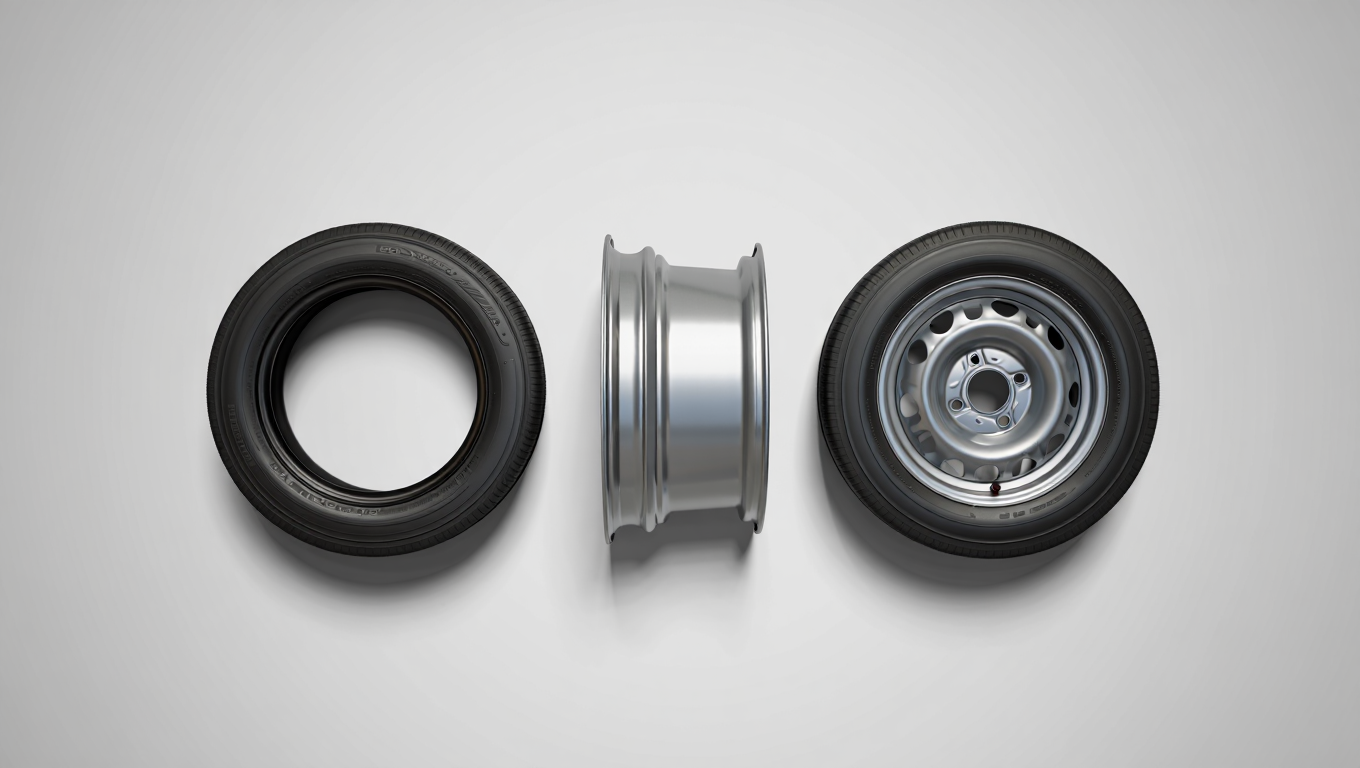
Many car owners get confused between wheels, rims, and tires, but knowing the difference is crucial for maintenance, upgrades, and replacements. The tire contacts the road, the rim holds the tire, and the wheel includes the rim and hub assembly. Choosing the right combination affects performance, handling, safety, and aesthetics.
This guide breaks down the technical differences, pros and cons, cost considerations, and practical tips. I’ll also explain how each component affects ride quality, fuel efficiency, and lifespan, so you can make informed decisions when replacing or upgrading your vehicle’s wheels.
What is a Tire?
A tire is the rubber component that contacts the road, providing grip, absorbing shocks, and ensuring safe handling. Tires come in various types: all-season, performance, winter, and off-road. For example, a Michelin Pilot Sport tire on a sports car improves cornering and braking, while an Ironman all-terrain tire on an SUV ensures traction on mud or gravel.
Tires have specifications like width, aspect ratio, load index, and speed rating, which influence performance, safety, and cost. Regular inspection, rotation, and proper inflation are essential for longevity and optimal driving experience.
What is a Rim?
The rim is the metallic outer edge of the wheel that holds the tire in place. Rims are usually made of steel or alloy and come in various diameters, widths, and designs. Alloy rims, for example, offer lighter weight and improved aesthetics, while steel rims are durable and budget-friendly.
The rim size must match the tire’s diameter and width to ensure proper fit, avoiding issues like air leakage, uneven wear, or tire blowouts. Upgrading rims can improve vehicle appearance, handling, and braking response, but incompatible rims can compromise safety.
What is a Wheel?
The wheel is the complete assembly, including the rim, hub, spokes, and sometimes the tire (when mounted). It connects the vehicle to the axle and transfers engine power to the ground. For instance, a performance wheel assembly on a sports car combines lightweight alloy rims with high-performance tires to enhance acceleration, cornering, and braking.
Proper wheel selection ensures alignment, load support, and balance, affecting both safety and driving comfort. Understanding the distinction between wheels, rims, and tires prevents mistakes when replacing or upgrading components.
Technical Comparison – Wheel vs Rim vs Tire
Each component plays a distinct role, and knowing their differences is vital for proper vehicle maintenance and upgrades.
Material and Construction
Tires are made from rubber compounds, steel belts, and fabric layers, designed to provide grip and durability. Rims are usually steel, aluminum, or alloy, chosen for strength, weight, and aesthetics.
Wheels combine these materials with hub and spoke designs to manage load and transfer torque. For example, a forged alloy wheel is lighter and stronger than a cast steel rim, improving handling and reducing fuel consumption. Choosing the right combination affects safety, ride comfort, and performance.
Function and Performance
Tires absorb shocks, provide traction, and affect fuel efficiency. Rims support tires and help maintain shape under pressure. Wheels transfer engine power to the road, bearing the vehicle’s weight.
For instance, upgrading to wider rims allows fitting performance tires for sports cars, enhancing grip and handling. However, a mismatch—like a narrow tire on a wide rim—can reduce tire life and safety. Understanding these functional differences ensures the right combination for your driving needs.
Aesthetics and Customization
Rims and wheels significantly impact vehicle appearance. Alloy rims come in various finishes like matte black, chrome, or machined, while tires with low-profile sidewalls give a sporty look. Wheels combine rim design, hubcaps, and lug configurations for a complete visual and functional package. Customizing rims and wheels enhances aesthetics, but performance and compatibility should always be prioritized over looks.
Cost and Replacement Considerations
Budget and replacement frequency vary for tires, rims, and wheels, and understanding costs helps in planning upgrades or maintenance.
Tire Costs and Lifespan
Tires need replacement every 40,000–70,000 km depending on type, driving conditions, and maintenance. High-performance or all-terrain tires cost more but offer better grip, durability, and safety. Budget tires may save money upfront but wear faster, affecting handling and fuel efficiency. Proper inflation and rotation extend tire life, reducing long-term costs.
Rim Costs and Durability
Rims are generally longer-lasting than tires but can be damaged by potholes or curbs. Alloy rims are pricier ($200–$600 per rim) but lighter and stylish, while steel rims are cheaper ($80–$150) and more durable. Replacement requires compatibility with the vehicle’s wheel hub, bolt pattern, and tire size.
Wheel Costs and Full Assembly
Replacing a full wheel assembly, including rim and hub, costs more due to additional components. Performance wheels are especially expensive but improve handling and safety. Budgeting for wheels should consider long-term durability, performance, and aesthetics.
Common Mistakes When Confusing Wheels, Rims, and Tires
Avoid these mistakes to prevent safety risks and extra costs.
- Buying a tire without confirming rim diameter or width compatibility
- Installing a rim incompatible with the vehicle’s wheel hub or bolt pattern
- Assuming “rim” and “wheel” are the same when ordering replacements
- Using low-quality tires on performance wheels, reducing grip and safety
- Ignoring load index and speed rating, which may affect vehicle performance
Correct understanding prevents mismatched components, uneven wear, and safety hazards.
Performance in Different Driving Conditions
The choice of tire, rim, and wheel affects handling, safety, and comfort in varying terrains and weather conditions. Knowing their performance helps optimize your vehicle.
Highway and City Driving
Tires are the primary contact with the road, impacting traction, braking, and fuel efficiency. High-quality all-season tires on properly sized rims improve highway stability and reduce rolling resistance, enhancing fuel economy. Wheels with alloy rims offer lighter weight, improving acceleration and handling in city traffic.
For example, a Honda Civic with low-profile tires on alloy rims provides responsive steering and comfortable ride on urban roads. Conversely, mismatched tire-rim combinations may increase vibrations, reduce tire life, and affect braking distances.
Off-Road and Rugged Terrain
Off-road performance depends heavily on tires and wheel construction. Tires with aggressive tread patterns like all-terrain or mud-terrain provide traction on gravel, sand, or mud. Steel rims are often preferred for off-road vehicles due to strength and resistance to bending, while alloy rims, though stylish, can crack under heavy impacts.
A Jeep Wrangler or Toyota Hilux equipped with all-terrain tires on reinforced rims demonstrates superior grip and durability over rocks and uneven surfaces. Choosing the right combination prevents damage to wheels and tires and maintains vehicle control.
Seasonal and Weather Performance
Winter tires with soft rubber compounds improve traction on ice and snow, whereas summer tires excel on dry or wet roads. Rim choice also matters—wider rims allow for performance tires with better grip, while narrower rims work with winter tires to cut through snow efficiently.
The full wheel assembly, including hub and spokes, ensures consistent alignment and stability, minimizing slippage and improving safety in adverse conditions. Drivers should match tire type and rim width to the season for optimal performance.
Vehicle Suitability – Matching Wheels, Rims, and Tires
Choosing the right combination for your vehicle ensures safety, performance, and durability.
Passenger Cars and Sedans
For sedans like Toyota Corolla or Honda Accord, radial tires on alloy rims provide lightweight performance, comfort, and fuel efficiency. Wheels with the correct hub and offset maintain proper alignment, enhancing handling.
Low-profile tires improve steering response and aesthetics but may reduce ride comfort on rough roads. Ensuring compatibility between tire width, rim diameter, and wheel hub avoids uneven wear, vibrations, and safety hazards.
SUVs and Pickup Trucks
SUVs and pickups often require larger tires with higher load capacity. All-terrain tires on alloy or steel rims balance off-road performance and highway comfort. Wheels must support heavier weight, especially when carrying cargo or towing.
For example, a Ford Ranger with 265/70R17 all-terrain tires on alloy wheels handles gravel roads efficiently while maintaining smooth highway driving. Using the correct rim and wheel assembly ensures durability, load distribution, and braking efficiency.
Performance and Sports Cars
Sports cars benefit from low-profile performance tires on wide alloy rims to improve cornering, braking, and acceleration. Lightweight wheels reduce unsprung mass, enhancing steering precision.
Tires with high-speed ratings maintain grip at elevated speeds, while rims must be compatible to avoid tire deformation. A Porsche 911 with 20-inch alloy wheels and performance tires demonstrates how wheel, rim, and tire synergy enhances overall driving dynamics.
Common Mistakes When Confusing Wheels, Rims, and Tires
Avoiding errors prevents safety risks, premature wear, and unnecessary expenses.
- Purchasing a tire without checking rim diameter or width compatibility
- Installing a rim that does not match the vehicle’s bolt pattern or hub size
- Confusing “rim” and “wheel” when ordering replacements
- Using low-quality tires on performance wheels, reducing grip and handling
- Ignoring load index, speed rating, or tire type, affecting safety and performance
Correct understanding of terminology ensures proper replacement, long-term durability, and optimized driving performance.
Expert Tips for Selecting the Right Wheel, Rim, and Tire
Expert guidance helps choose the right components for safety, performance, and budget.
- Check the owner’s manual for recommended tire size, rim diameter, and wheel specifications
- Consider driving conditions: city, highway, off-road, or mixed use
- Balance aesthetics and performance: wider alloy rims improve handling but may reduce ride comfort
- Monitor tire pressure and wheel alignment regularly to prevent uneven wear
- Choose reputable brands for tires, rims, and wheels to ensure durability and safety
Following these tips ensures optimal performance, comfort, and safety while prolonging component lifespan.
Pros and Cons Summary Table – Wheel vs Rim vs Tire
This table helps visualize the key differences and benefits of each component.
| Component | Pros | Cons |
| Tire | Provides traction, absorbs shocks, improves fuel efficiency | Wears over time, requires replacement every 40k–70k km |
| Rim | Supports tire, improves aesthetics, lightweight alloy improves handling | Can bend or crack, cost varies widely |
| Wheel | Complete assembly, transfers power, ensures stability | High replacement cost, incorrect sizing affects performance |
This summary allows car owners to understand each component’s role and make informed decisions.
Conclusion
Understanding the differences between wheels, rims, and tires is essential for safety, performance, and cost-effective maintenance. Tires provide traction and absorb shocks, rims support the tire and improve aesthetics, while wheels are the complete assembly transferring power to the road. Choosing the right combination ensures proper alignment, braking efficiency, and ride comfort.
Always follow OEM recommendations for size, load rating, and type, and consider your driving conditions and vehicle type. Proper maintenance, including tire rotation, wheel alignment, and inflation, extends lifespan. Check our website for high-quality tires, rims, and wheel assemblies suitable for your vehicle.
FAQs
Can I change my rim without changing the tire?
Yes, if the tire matches the new rim’s diameter and width. Always check load index and compatibility to avoid safety risks or uneven wear.
Is a wheel the same as a rim?
No. A wheel includes the rim, hub, and spokes. The rim is just the outer metallic edge that holds the tire.
How often should I replace tires?
Tires generally last 40,000–70,000 km depending on type, driving habits, and maintenance. Inspect regularly for tread wear and damage.
Can I use alloy rims on all vehicles?
Not always. Alloy rims must match the bolt pattern, hub size, and load rating of the vehicle to ensure safety and proper handling.
Do rims affect ride comfort?
Yes. Wider or low-profile rims may improve handling but can reduce ride comfort by transmitting more road vibrations.
How do I know the correct wheel size?
Check the owner’s manual, tire placard, or existing wheel markings. Correct diameter, width, and offset are crucial for safety and performance.

Benjamin Grey is an automotive engineer and writer at Car Parts Advisor. With years of experience in the automotive industry, he shares expert advice on car parts, maintenance, and repairs to help car owners keep their vehicles running smoothly.


