
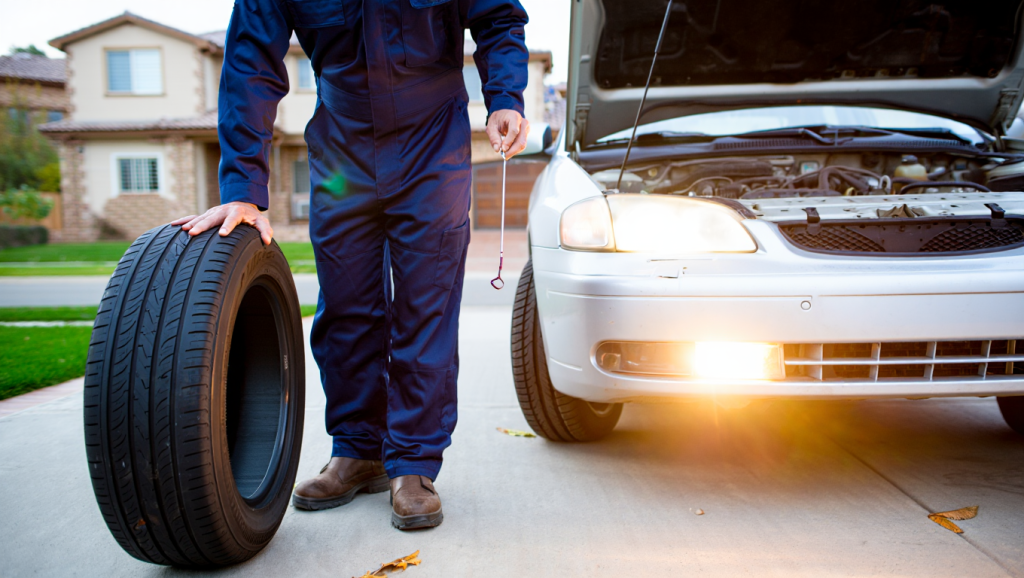
Even the most experienced drivers can overlook small vehicle issues that may turn into major safety hazards. Simple problems—like a worn tire, low brake fluid, or dead battery—can escalate quickly, causing accidents, breakdowns, or expensive repairs.
That’s why performing monthly safety checks is essential. These five checks take just a few minutes each but can save you hundreds or even thousands of dollars while keeping you and your passengers safe. In this guide, we’ll explore each check, explain why it matters, and provide practical tips to do it right.
Tire Inspection
Tires are your car’s only connection to the road. A tire failure or poor traction can be dangerous, especially in wet or icy conditions. Monthly inspections help prevent accidents and improve fuel efficiency.
Check Tire Pressure
Underinflated tires increase rolling resistance, which reduces fuel economy and accelerates tread wear. Overinflated tires, on the other hand, can reduce traction and increase the risk of blowouts.
Tips:
- Use a reliable digital tire pressure gauge.
- Compare your readings to the manufacturer’s recommended PSI (found on the driver-side door jamb).
- Adjust for seasonal temperature changes, as cold weather can reduce tire pressure by 1–2 PSI per 10°F drop.
Cost Impact: Maintaining correct tire pressure is free if done at home, but neglecting it can cost $600–$800 in premature tire replacement.
Inspect Tread Depth and Wear
Tread depth affects traction, especially in rain or snow. Most experts recommend at least 4/32” for front tires and 2/32” for rear tires. Uneven wear may indicate alignment, suspension, or tire balance issues.
Pro Tip: Use a tread depth gauge or the penny test: insert a penny into the tread with Lincoln’s head upside down. If you see all of Lincoln’s head, it’s time to replace the tire.
OEM vs. Aftermarket: OEM tires are designed specifically for your car and usually provide balanced performance and longevity. Quality aftermarket tires can be cheaper but still offer excellent traction if chosen carefully. Avoid extremely cheap tires, which may wear unevenly or fail sooner.
-
Lights and Signals
Intro: Your vehicle’s lighting system is crucial for visibility and signaling intentions to other drivers. Burned-out bulbs or misaligned headlights increase accident risk and may result in traffic tickets.
Headlights and Taillights
Check that your headlights, taillights, and fog lights are all functioning. Clean lenses regularly—road salt, dirt, and debris can reduce brightness.
Tips:
- Use a flashlight to ensure each bulb is bright and properly aligned.
- Replace dim or burned-out bulbs promptly.
- OEM bulbs usually provide reliable performance and longevity, while quality aftermarket LEDs offer brighter light but may require adjustments for correct beam patterns.
Turn Signals, Brake Lights, and Hazard Lights
A single burned-out turn signal may seem minor, but it can lead to collisions. Test all signals monthly. Replace bulbs immediately if they flicker or don’t illuminate.
DIY Check: Turn hazard lights on, walk around the car, and visually inspect each light. It takes less than 5 minutes and prevents potential accidents or tickets.
-
Fluid Levels
Intro: Fluids are the lifeblood of your vehicle. They keep your engine lubricated, transmission smooth, brakes functional, and steering responsive. Low or contaminated fluids can cause costly repairs.
Engine Oil
Engine oil lubricates moving parts, reduces friction, and removes heat. Running on low or dirty oil accelerates wear and may lead to engine failure.
Monthly Check:
- Pull out the dipstick, wipe it clean, reinsert, then check level and color.
- Oil should be amber; dark or gritty oil indicates it’s time for a change.
OEM vs. Aftermarket: OEM oils and filters meet manufacturer specifications, but high-quality aftermarket synthetic oils can offer extended protection and lower long-term costs.

Coolant, Brake, Transmission, and Power Steering Fluids
- Coolant: Prevents freezing and overheating. Ensure it’s at proper levels and has the correct 50/50 water-antifreeze mix.
- Brake fluid: Absorbs moisture over time, reducing braking efficiency. Top off if low and consider a full flush per manufacturer recommendations.
- Transmission fluid: Keeps gears lubricated; low levels can cause slipping or expensive transmission damage.
- Power steering fluid: Ensures smooth steering; low fluid can strain the pump.
Tips: Look for leaks under the car, unusual odors, or discoloration. Preventive fluid checks cost little but can prevent repairs exceeding $1,500 for engine or transmission damage.
-
Brakes
Brakes are one of the most critical safety systems in your vehicle. Monthly inspections help catch worn components before they fail, preventing accidents and costly repairs.
Brake Pads and Rotors
Brake pads wear down over time. Squealing, grinding, or vibration when braking are signs that pads need replacement. Ignoring worn pads can damage rotors, increasing repair costs from $150–$250 for pads to $400–$1,200 for rotors or calipers.
Pro Tip: Inspect pads visually through the wheel spokes or during tire rotations. Replace pads in pairs (front or rear) to maintain balanced braking. OEM pads provide consistent performance, while high-quality aftermarket pads may offer better stopping power and longer life.
Brake Fluid Condition
Brake fluid absorbs moisture over time, reducing braking efficiency and potentially corroding internal components. Check fluid level monthly and consider a complete brake flush every 2–3 years. Preventive care costs $50–$100, versus hundreds to repair damaged calipers, ABS modules, or brake lines.
-
Battery and Electrical System
A reliable battery and electrical system ensure your car starts consistently and powers accessories. Neglecting this can leave you stranded unexpectedly.
Battery Inspection
Check battery terminals for corrosion and ensure connections are tight. Look for swelling or leaks. Test voltage with a multimeter—anything below 12.4V at rest may indicate weakness.
OEM vs. Aftermarket: OEM batteries are designed for your car’s exact specifications. Quality aftermarket batteries often provide higher cold cranking amps (CCA) at a competitive price, making them ideal for extreme temperatures.
Other Electrical Components
Check fuses, warning lights, and accessories monthly. Small electrical problems, like a faulty fuse or worn wiring, can escalate if ignored. Catching these early prevents breakdowns, expensive diagnostics, and potential fire hazards.
Long-Term Benefits of Monthly Safety Checks
Monthly inspections do more than prevent emergencies—they improve efficiency, extend vehicle life, and increase resale value.
Improved Fuel Efficiency
Proper tire pressure, a clean air filter, and functioning spark plugs reduce fuel consumption. For example, maintaining correct tire pressure alone can save 2–3% on fuel costs, adding up to hundreds of dollars annually for high-mileage drivers.
Extended Vehicle Lifespan
Regular maintenance prevents premature wear of critical components, including brakes, suspension, and engine systems. A car maintained consistently can last 200,000 miles or more, while neglected vehicles may experience major failures before 100,000 miles.
Higher Resale Value
Maintaining a vehicle with documented inspections, fluid changes, and replaced parts signals reliability to buyers. Well-kept cars often sell for 10–20% more than poorly maintained counterparts.
Common Mistakes That Increase Costs
Even proactive drivers sometimes make mistakes that reduce the effectiveness of safety checks.
Delaying Inspections
Many drivers ignore monthly routines, thinking, “It still runs fine.” Delayed checks allow minor issues like low brake fluid, worn wipers, or low tire pressure to become expensive repairs or safety hazards.
Using Low-Quality Parts
Cheap, non-OEM parts may fail faster, causing more frequent replacements. While they seem cost-effective upfront, the long-term expense can exceed the price of quality OEM or certified aftermarket parts.
Ignoring Seasonal Needs
Failing to adjust for winter or summer conditions—like installing seasonal tires, using correct fluids, or adjusting wipers—can accelerate wear and increase accident risk.
Cost vs. Investment: Real-World Comparison
Seeing numbers side by side makes the savings from monthly safety checks clear.
| Safety Check | Monthly Cost | Potential Repair Cost if Neglected | Savings |
| Tire pressure & tread | $0–$5 | $600–$800 premature tire replacement | $600–$800 |
| Lights and signals | $0–$10 | $100–$300 accident or ticket | $90–$290 |
| Fluid checks (oil, brake, coolant) | $0–$10 | $500–$3,000 engine or brake repair | $490–$2,990 |
| Brake pads & rotors | $0–$0 check, $150 pad replacement | $400–$1,200 rotor replacement | $250–$1,050 |
| Battery inspection | $0–$20 | $200–$400 emergency replacement | $180–$380 |
Proactive maintenance consistently costs less than emergency repairs, protects your safety, and reduces stress from unexpected breakdowns.
Final Thoughts
Monthly safety checks are a small investment with huge benefits. By inspecting tires, lights, fluids, brakes, and the battery regularly, you prevent accidents, avoid costly repairs, improve fuel efficiency, and extend the life of your vehicle.
Developing a monthly routine takes only 20–30 minutes but saves hundreds—or even thousands—of dollars over time. Prioritize safety and reliability: keep a checklist, document inspections, and replace worn parts promptly.
FAQs
How long does it take to do all five checks?
It typically takes 20–30 minutes to complete all five checks, depending on familiarity. Once you develop a routine, it becomes quick and easy, preventing larger problems that can take hours or days to repair.
Can I do these checks myself or need a mechanic?
Most monthly checks can be done by vehicle owners with basic tools. Tire pressure, lights, fluid levels, and battery inspection are simple. However, if you spot unusual wear or leaks, consult a certified mechanic for repairs.
How do I know if my battery is failing?
Signs include slow engine cranking, dim lights, frequent jump-starts, or corrosion on terminals. Test voltage with a multimeter (12.4V or higher is healthy) and replace if readings are low or inconsistent.
How often should I replace brake pads?
Brake pads generally last 30,000–70,000 miles depending on driving habits. Listen for squealing, check thickness visually, and follow manufacturer guidelines for replacement. Timely replacement prevents rotor damage and higher costs.
What fluids are most critical for monthly checks?
Engine oil, brake fluid, and coolant are the most crucial for safety and reliability. Transmission and power steering fluids are also important but may require less frequent monitoring. Always check levels, color, and signs of leaks.

Benjamin Grey is an automotive engineer and writer at Car Parts Advisor. With years of experience in the automotive industry, he shares expert advice on car parts, maintenance, and repairs to help car owners keep their vehicles running smoothly.