
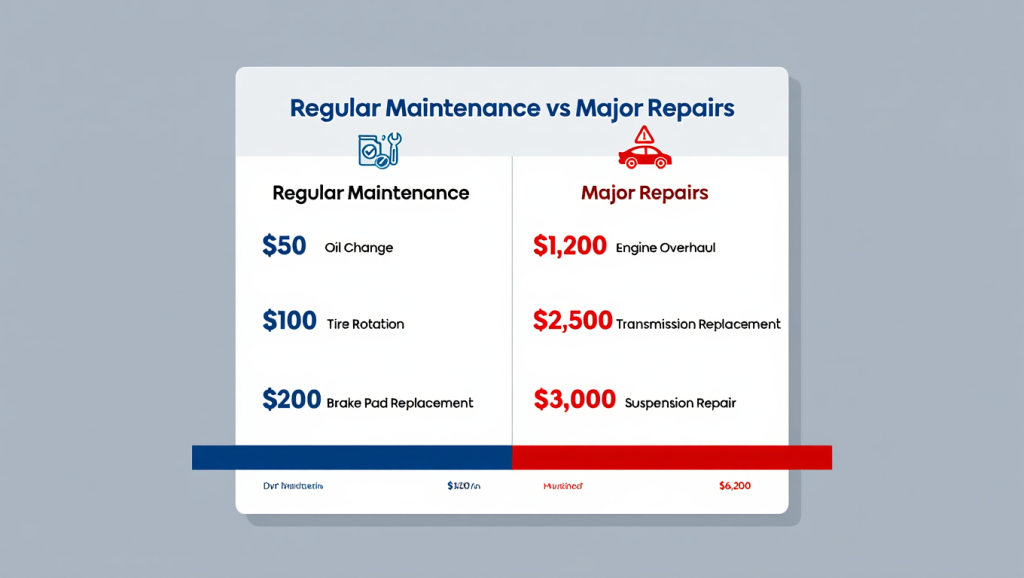
Many car owners think skipping routine maintenance saves money. After all, why spend $50 on an oil change when your car “still runs fine”? The truth is, ignoring small maintenance tasks often leads to expensive repairs, unexpected breakdowns, and even safety hazards.
Regular maintenance is like insurance for your vehicle—it costs a little upfront but protects your car from major issues that can cost hundreds or even thousands of dollars. Beyond repairs, maintenance improves fuel efficiency, extends the lifespan of your vehicle, and even helps maintain resale value.
Here, I’ll explore the most crucial maintenance tasks, explain how they save money, and provide practical tips to keep your vehicle running smoothly.
Understanding the Cost of Neglect
To appreciate the value of maintenance, it helps to understand what happens when small issues are ignored. Cars are complex machines, and minor problems often escalate quickly if left unchecked.

Small Problems Turn Into Major Repairs
A classic example is worn brake pads. If pads aren’t replaced on time, they can wear down completely, causing damage to the rotors. A $150 pad replacement can quickly turn into a $1,200 rotor replacement. Similarly, skipping an oil change might seem like saving $50, but over time, dirty oil causes engine wear that could cost $3,000 or more to repair.
Engine and transmission components are especially sensitive. Low or dirty fluids, neglected spark plugs, and clogged filters can increase friction, reduce efficiency, and eventually lead to total failure. Preventive maintenance keeps these systems running smoothly, preventing expensive surprises.
Hidden Costs of Neglect
Maintenance doesn’t just prevent repairs—it also saves money in less obvious ways:
- Fuel Efficiency: Dirty air filters, low tire pressure, and worn spark plugs decrease MPG, meaning you’re spending more at the pump every month.
- Roadside Assistance and Towing: Breakdown costs for a dead battery or overheated engine can easily reach $150–$500, not including lost time.
- Insurance Premiums: Accident risks increase when lights, brakes, or tires are poorly maintained, potentially affecting claims and premiums.
Key Maintenance Tasks That Save Money
Routine maintenance is like preventive medicine for your car. The cost of these small tasks is minor compared to the potential expenses of repairs or replacements. Let’s explore the most important tasks first.
Oil Changes and Engine Care
Oil is the lifeblood of your engine. It lubricates moving parts, reduces friction, and helps cool the system. Over time, oil breaks down, becoming less effective. Running your engine with old or dirty oil accelerates wear, leading to costly engine damage.
- Cost of regular oil change: $40–$70 (synthetic can be $60–$100)
- Potential repair cost if neglected: $3,000+ for engine rebuild
OEM vs. Aftermarket: OEM oils and filters are tested specifically for your vehicle and generally offer the best protection. High-quality aftermarket synthetic oils can also perform well, often at a lower price. Avoid cheap oils—they may save a few dollars upfront but could increase engine wear.
Tips to Save: Set reminders for every 5,000–7,500 miles (or as per your manufacturer). Consider synthetic blends for extended protection, especially in extreme temperatures.
Tire Maintenance
Proper tire care is another major money saver. Tires affect fuel efficiency, handling, and safety. Underinflated tires increase rolling resistance, which makes your engine work harder, burning more fuel. Uneven tire wear can shorten tire life, forcing premature replacement.
Key Tasks:
- Tire pressure: Check monthly; adjust to manufacturer specifications.
- Rotation: Every 5,000–7,500 miles.
- Alignment: At least once a year or when uneven wear is noticed.
Cost vs. Replacement: A $40 rotation and pressure check prevents a $600–$800 tire replacement. High-quality OEM tires last longer, but reputable aftermarket brands often provide similar durability at lower cost.
Tips to Save: Invest in a digital tire pressure gauge and monitor monthly. Rotate tires as part of your oil change service.
Brake System Care
Brakes are critical for safety, and preventive care saves significant money. Worn pads left unchecked can damage rotors, calipers, and even brake lines.
- Brake pad replacement: $150–$250 per axle
- Rotor replacement if pads fail: $400–$1,200 per axle
Signs of Wear: Squealing, grinding, vibration during braking, or increased stopping distance.
OEM vs. Aftermarket: OEM pads usually offer the best fit and performance, while quality aftermarket pads can match performance at a lower price. Cheap pads may wear quickly, causing additional rotor damage.
Tips to Save: Inspect pads every 10,000 miles or at the first sign of noise. Replace in pairs (front or rear) to maintain balanced braking.
Battery Maintenance
Your car battery is critical, especially in cold weather. A dead or weak battery can leave you stranded and may require costly replacement if neglected. Regular battery checks are a small investment with a big payoff.
How Batteries Fail
Cold temperatures slow chemical reactions inside the battery, reducing cranking power by up to 50%. Combine this with increased demands from heaters, defrosters, and lights, and even a battery that worked fine in summer can fail in winter.
Testing and Replacement
- Cost of preventive check: $20–$50
- Cost of emergency replacement/towing: $200–$400
Most auto shops offer free battery tests. If your battery is more than three years old, consider replacement. OEM batteries are designed to your car’s exact specifications, while high-quality aftermarket batteries can offer higher cold-cranking amps (CCA) at a competitive price.
Tips to Save: Clean terminals regularly, tighten connections, and consider a trickle charger for vehicles that sit idle during winter months.
Cooling System and Fluids
Engine overheating and frozen fluids are costly problems. Regular maintenance of your cooling system and other fluids prevents engine damage, radiator failure, and leaks.
Coolant & Antifreeze
Check coolant levels and mixture—ideally 50/50 with water—to prevent freezing and overheating. Flush and replace every 2–4 years or as recommended by your manufacturer. Neglecting this can lead to cracked engine blocks or blown head gaskets, which may cost $1,500–$3,000 to repair.
Other Fluids
- Transmission fluid: Keeps gears lubricated; neglecting it can cause transmission failure.
- Brake fluid: Absorbs moisture over time, reducing effectiveness.
- Power steering fluid: Ensures smooth operation, prevents pump damage.
OEM vs. Aftermarket: OEM fluids match your vehicle specifications, but high-quality aftermarket alternatives can perform just as well. Always check compatibility before topping off.
Lights, Wipers, and Visibility Components
Poor visibility is a major safety risk, especially in adverse weather. Keeping lights and wipers in top condition is inexpensive but prevents accidents and insurance claims.
Headlight and Brake Light Maintenance
- Clean lenses regularly to remove fog and grime.
- Replace dim or burned-out bulbs immediately. OEM bulbs ensure proper beam patterns; aftermarket LEDs offer brighter, longer-lasting light.
Windshield Wipers and Washer Fluid
Winter-specific wipers prevent ice buildup, and washer fluid rated for sub-zero temperatures protects your reservoir from cracking. Replacing blades every 6–12 months is cheap compared to the cost of replacing scratched windshields caused by worn wipers.
Long-Term Benefits of Regular Maintenance
Beyond avoiding repairs, consistent care improves fuel efficiency, extends vehicle lifespan, and increases resale value.
Improved Fuel Efficiency
Clean air filters, properly inflated tires, and tuned engines reduce fuel consumption. For example, replacing a dirty air filter can improve MPG by 10%, saving hundreds per year for high-mileage drivers.
Extended Vehicle Lifespan
Routine maintenance—oil changes, fluid checks, brake care—delays major repairs. A well-maintained engine can last 200,000 miles or more, while neglected engines often fail before 100,000 miles.
Higher Resale Value
Cars with complete maintenance records sell for more. Buyers trust documented upkeep, and well-maintained vehicles often fetch 10–20% higher resale prices than neglected ones.
Common Mistakes That Increase Costs
Even when owners perform maintenance, certain mistakes reduce effectiveness and increase long-term expenses.
Delaying Routine Checks
Thinking “it still runs fine” can lead to catastrophic failures. For instance, ignoring a minor coolant leak can result in a blown head gasket.
Using Cheap or Incorrect Parts
While aftermarket parts may save money initially, low-quality components can wear quickly or fail prematurely, leading to higher replacement costs. Always balance price with quality—OEM parts are often worth the investment.
Ignoring Seasonal Maintenance
Failing to adjust for winter or summer conditions—like not installing winter wipers or using summer-rated fluids—can accelerate wear and reduce safety.
Cost vs. Investment: A Real-World Comparison
Seeing the numbers side by side makes the value of regular maintenance obvious.
Maintenance vs. Repair Costs Table
| Maintenance Task | Cost | Potential Repair Cost if Neglected | Savings |
| Oil change | $50 | $3,000 engine repair | $2,950 |
| Tire rotation & alignment | $80 | $600–$800 uneven tire replacement | $520–$720 |
| Brake pads replacement | $150 | $1,200 rotor/ caliper replacement | $1,050 |
| Battery check & cleaning | $20 | $250 jump start/ replacement | $230 |
| Coolant flush & inspection | $100 | $1,500+ engine block repair | $1,400+ |
Preventive Mindset vs. Reactive Mindset: Owners who perform regular maintenance save money, avoid downtime, and reduce stress, while those who wait for failures often pay 5–10x more over the life of the vehicle.
Final Thoughts
Regular maintenance is not an expense—it’s an investment. Small tasks like oil changes, tire rotations, brake inspections, and battery checks prevent costly repairs, extend vehicle life, and improve fuel economy. They also protect your safety and maintain resale value.
The difference between a well-maintained car and a neglected one is often thousands of dollars saved over the vehicle’s life. Make maintenance a priority, choose quality OEM or high-quality aftermarket parts, and stay proactive—your wallet and your car will thank you.
FAQs
- How often should I schedule routine maintenance?
Most vehicles require oil changes every 5,000–7,500 miles, tire rotations every 5,000–7,500 miles, and full inspections at least once a year. Follow your manufacturer’s schedule and adjust for extreme driving conditions. - Does using aftermarket parts save money?
Yes, high-quality aftermarket parts can be cost-effective, but cheap components may fail sooner, causing higher repair costs. OEM parts often offer reliability, warranty coverage, and proper fit. - Can skipping small repairs really damage the engine?
Absolutely. Ignoring minor issues like a coolant leak or worn belt can escalate into major engine damage, costing thousands. Small problems worsen quickly if left untreated. - How does maintenance affect fuel economy?
Clean air filters, proper tire pressure, and tuned engines can improve fuel efficiency by 5–10%, saving hundreds per year. Neglected vehicles burn more fuel and waste money. - What is the most cost-effective maintenance task?
Oil changes and tire care offer the best return on investment. They’re inexpensive but prevent high-cost engine and tire repairs, improving safety and efficiency.

Benjamin Grey is an automotive engineer and writer at Car Parts Advisor. With years of experience in the automotive industry, he shares expert advice on car parts, maintenance, and repairs to help car owners keep their vehicles running smoothly.