
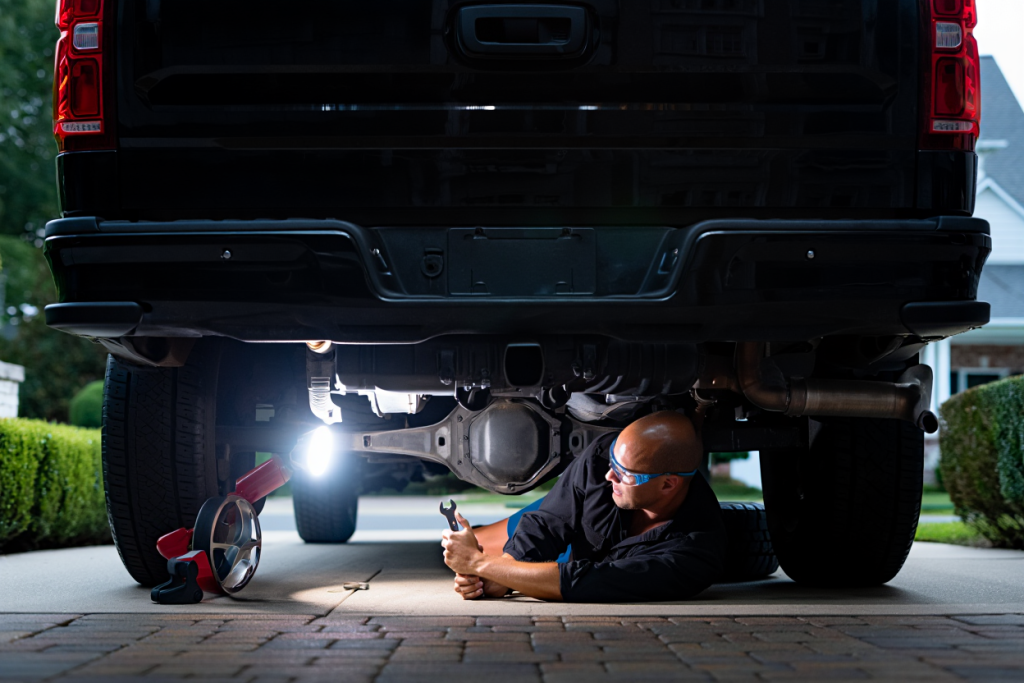
Your car’s suspension system is vital for smooth rides, handling, and safety. When suspension components wear out or fail, it affects ride quality, tire wear, steering, and overall vehicle control.
Suspension issues are common as cars age or are driven on rough roads. In this guide, I’ll cover the most common issues with car suspension, their symptoms, causes, DIY inspection tips, maintenance advice, and cost considerations to help you identify and address issues before they become serious.
What Does the Car Suspension System Do?
Before diving into common issues, it’s essential to understand the suspension’s role.
Purpose of the Suspension
The suspension system connects your wheels to the vehicle frame and absorbs shocks from bumps, potholes, and uneven roads. It includes shocks, struts, springs, control arms, bushings, and tie rods. A healthy suspension ensures stability, comfort, and precise handling.
How Suspension Problems Affect Driving?
- Uneven tire wear
- Reduced braking efficiency
- Excessive body roll or bouncing
- Poor handling and safety hazards
Early identification of issues preserves both safety and vehicle longevity.
7 Common Suspension Problems
Here are the 7 most frequently observed suspension issues that car owners face.
1. Worn Shock Absorbers
Shocks control the movement of springs and reduce bouncing. Worn shocks lead to:
- Excessive bouncing over bumps
- Poor handling and stability
- Increased braking distances
2. Worn Struts
Struts support vehicle weight and combine shock absorption with structural stability. Worn struts may cause:
- Sagging ride height
- Steering instability
- Clunking or knocking noises
3. Broken or Sagging Springs
Coil or leaf springs support vehicle weight. Problems include:
- Uneven ride height
- Bottoming out over bumps
- Uneven tire wear
4. Worn Bushings
Bushings reduce friction and vibration between suspension components. Worn bushings result in:
- Clunking noises
- Loose steering feel
- Poor handling
5. Misaligned Wheels
Suspension problems can affect wheel alignment, causing:
- Vehicle pulling to one side
- Uneven tire wear
- Steering vibration
6. Damaged Ball Joints
Ball joints connect control arms to steering knuckles. When damaged, they cause:
- Steering looseness or wandering
- Clunking noises over bumps
- Premature tire wear
7. Leaking or Damaged Strut Mounts
Strut mounts absorb shock and isolate vibration. When failing, symptoms include:
- Excessive vibration
- Strange noises during turning
- Poor handling
Symptoms of Suspension Problems
Recognizing symptoms early prevents further damage and improves safety.
Uneven or Rapid Tire Wear
Check all tires for bald spots, cupping, or unusual patterns. This often indicates worn shocks, struts, or misalignment.
Excessive Bouncing or Poor Ride Quality
Push down on the car corners. Excessive bouncing beyond 1–2 times indicates worn shocks or struts.
Steering Problems
Difficulty turning, steering wheel vibration, or wandering indicates issues with ball joints, tie rods, or alignment.
Noises
Clunks, squeaks, or rattles over bumps suggest worn bushings, struts, or mounts.
Vehicle Pulling or Drifting
If the car pulls to one side, it may indicate misalignment, worn struts, or other suspension components.
How to Inspect Suspension at Home?
Some issues can be checked with basic tools and observation.
Bounce Test
- Push down on a corner of the car and release.
- Excessive bounces indicate worn shocks or struts.
Visual Inspection
- Look for fluid leaks, rust, or cracks in shocks, struts, and springs.
- Inspect bushings, control arms, and mounts for wear.
Tire and Alignment Check
- Uneven tread patterns may indicate suspension issues.
- Check if the car pulls when driving straight.
Listen for Noises
- Drive over bumps slowly and listen for clunks, squeaks, or rattles.
Maintenance Tips to Avoid Suspension Problems
Proper maintenance extends the life of suspension components.

Regular Inspections
Check suspension components every 5,000–10,000 miles or during routine service.
Keep Tires Inflated and Aligned
Proper tire pressure and regular alignment reduce stress on suspension parts and prevent uneven wear.
Avoid Overloading
Excess weight strains shocks, struts, and springs, causing premature wear.
Replace Worn Parts Promptly
Delaying replacement can cause damage to tires, steering components, and the vehicle frame.
Common Mistakes Car Owners Make
Even simple maintenance routines can go wrong.
Ignoring Early Warning Signs
Symptoms like unusual noises, rough rides, or tire wear should never be ignored.
Attempting DIY Repairs Without Knowledge
Suspension repairs can be dangerous if done incorrectly. Improper installation can worsen the problem or cause injury.
Neglecting Tire Maintenance
Tires are part of the suspension system. Uneven wear or improper pressure can exacerbate suspension issues.
Overloading the Vehicle
Exceeding weight limits strains suspension components and reduces longevity.
Conclusion
Suspension problems are common but preventable with regular inspection and maintenance. Worn shocks, struts, springs, bushings, and ball joints affect ride comfort, safety, and tire life.
By recognizing symptoms early, performing simple home inspections, and maintaining tires and load limits, you can extend suspension life and improve overall vehicle performance.
FAQs
- What is the most common car suspension problem?
Worn shocks or struts are the most common issues, leading to poor ride quality, excessive bouncing, and reduced vehicle stability. Regular inspection helps prevent further damage to tires and other suspension components. - Can suspension problems cause uneven tire wear?
Yes. Worn shocks, struts, ball joints, or misaligned suspension components often result in uneven tire wear, bald spots, or cupping patterns, which affect handling and fuel efficiency. - How do I know if my suspension is bad?
Symptoms include clunking noises, excessive bouncing, pulling to one side, rough ride, uneven tire wear, and steering issues. Visual inspection and simple tests like the bounce test can help identify problems. - Can I drive with a bad suspension?
Minor issues may not immediately disable the car, but driving with a faulty suspension reduces handling, braking efficiency, and safety. Severe problems can be dangerous, especially at high speeds or on uneven roads. - How much does it cost to repair suspension problems?
Costs vary depending on the component. Shocks or struts replacement may cost $200–$700 per axle, while control arms or ball joints can range $150–$500 each. Early detection can reduce overall repair costs.

Benjamin Grey is an automotive engineer and writer at Car Parts Advisor. With years of experience in the automotive industry, he shares expert advice on car parts, maintenance, and repairs to help car owners keep their vehicles running smoothly.


